
Reviewed · COOKING CLASSES
Pura Vida Cooking Class in La Fortuna (From farm to table)
The best part of this La Fortuna cooking class happens before you reach the stove: you pick cassava, herbs, spices, and other ingredients straight from La Finquita Farm. Then you turn them into gallina achiotada, handmade tortillas, plantain chips, and patacones in an open-air kitchen.
I like the direct connection between farm and plate, and I like that the cooking is genuinely hands-on rather than a chef demonstration. Guides such as Marco, Melanie, Diego, and Nelson have made the farm walk lively and clear, while chefs including Marcela and Anna help keep the kitchen friendly for children and noncooks.
The main consideration is weather. Heavy rain can limit the harvesting portion, though the cooking and meal still go ahead. You also need at least two people to book, and the four-hour schedule takes a solid half-day from your La Fortuna plans.
Key points to know before booking
- Harvest your own ingredients: Pick fresh produce, herbs, spices, and cassava for the meal.
- Learn gallina achiotada: Prepare a traditional Costa Rican chicken dish seasoned with annatto.
- Make tortillas by hand: The class teaches a simple technique passed down through local cooking traditions.
- Expect an outdoor setting: The cooking area is open-air, with a wood-burning stove and rural surroundings.
- Good for families: Children can take part, practice Spanish, and learn where food comes from.
- Plan for four hours: Pickup and return from central La Fortuna are included, but the activity fills much of a morning or afternoon.
A farm visit that begins with the food itself
This experience takes place at La Finquita Farm, an ecological farm near La Fortuna that uses sustainable agricultural methods and encourages careful use of natural resources. You are not simply shown a finished plate. You see where key ingredients begin, then help bring them to the table.
The farm grows cassava, plantains, sugarcane, corn, vegetables, pineapple, bananas, peppers, peppercorn, herbs, and spices. The exact plants you gather can depend on the season and the recipe, but the point remains the same: the meal starts in the soil.
Your guide leads the walk and explains how the crops are grown and managed. Guides have included Marco, Melanie, Diego, Nelson, Hugo, and others, with the guide often helping interpret between the English-speaking group and the local chef. That arrangement matters because it keeps the farm portion informative while allowing the chef to focus on cooking.
You may use a machete during the harvest, under guidance, to collect cassava or other ingredients. That small detail gives the visit a more practical feel. You are not just strolling past plants with a camera. You are helping gather what will soon become lunch or dinner.
A few more things to book around La Fortuna
- Cooking and Salsa Dance Lesson Combo
★ 5.0 · 90 reviews - Sloth Tour in La Fortuna and Tortillas Cooking Class
★ 5.0 · 88 reviews - Cooking Class “Cook Like a Local” La Fortuna
★ 4.5 · 75 reviews
Gathering cassava, plantains, and garden spices
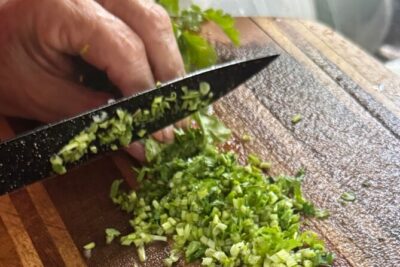
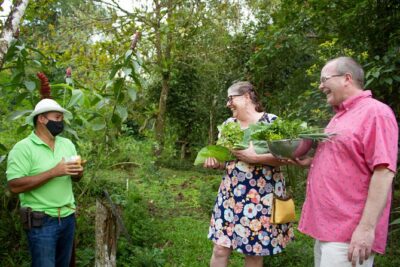
The harvest is the most distinctive part of the outing. Cassava, also called yuca, grows underground, so pulling it from the soil gives you a better sense of how much work sits behind a familiar Costa Rican side dish. You may also collect herbs, peppers, spices, and vegetables used in the meal.
The farm walk is not a full agricultural tour, and you should not expect a long lesson on every crop. It is a focused introduction tied to the cooking that follows. That keeps the four-hour schedule moving and gives each plant a purpose.
The experience also offers a chance to learn about regenerative and sustainable farming practices. You can ask questions about how the farm manages its crops and natural resources. The setting is peaceful and rural, with wildlife sometimes appearing nearby. One group even spotted a sloth beside the road during the outing, though wildlife sightings are never promised.
Rain is the one clear variable. If the weather turns wet, you might not be able to harvest the vegetables as planned. The class can still continue indoors or under cover, and the cooking remains the main event, but the farm-to-table link feels strongest on a dry day.
Cooking gallina achiotada with a local chef
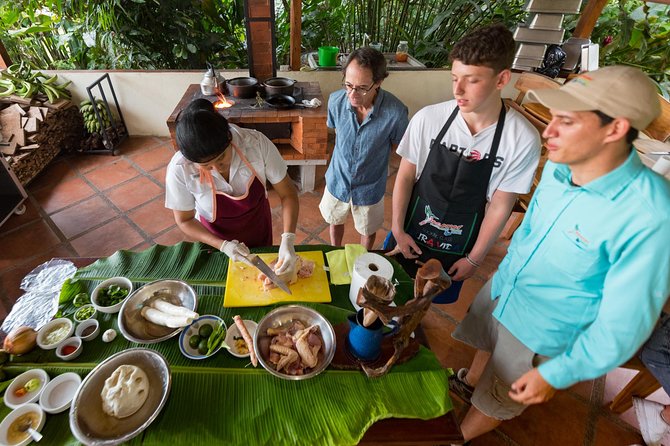
After the harvest, you move to the cooking area. The setup is an open-air structure large enough for a small group to work comfortably, with a wood-burning stove adding a traditional touch. The maximum group size is 15 people, though the space can feel more personal when attendance is lower.
The main recipe is gallina achiotada, a typical Costa Rican chicken dish seasoned with annatto, known locally as achiote. You work through the preparation with the chef rather than watching from the sidelines. The guide can translate instructions and explain local terms as needed.
Chefs such as Marcela and Anna have led the kitchen portion. Their role is important for first-time cooks because the class is meant to be practical, not intimidating. If you rarely cook, you can still take part. The chef helps with each step and keeps the pace manageable.
Alongside the chicken, you may prepare several familiar Costa Rican accompaniments. The food described for the class includes:
- Handmade flour tortillas
- Plantain chips
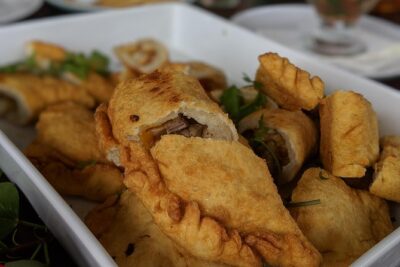
- Patacones, or flattened fried plantains
- Pico de gallo
- Cassava or yuca chips
- Ginger iced tea
The menu can include more than one side dish, and the exact selection may vary. The consistent theme is simple local ingredients handled with care. You learn how plantains change when sliced thin for chips or pressed and fried for patacones. You also make tortillas from scratch rather than receiving them ready-made.
Why the tortilla lesson matters
The tortilla portion sounds modest, but it is one of the most useful activities in the class. You handle the dough, shape the tortillas, and cook them as part of the meal. This gives you a basic technique you can repeat at home.
The class also explains how everyday Costa Rican food depends on a few sturdy ingredients. Cassava, corn, plantains, chicken, herbs, and annatto appear in many forms across the country. You leave with more context for the food you order at local restaurants, not just a pleasant meal.
Children tend to fit well into this part of the class. They can shape dough, help prepare ingredients, and work alongside adults. Families have also used the outing as a chance for children to practice Spanish in a welcoming setting. The class is structured enough to guide them, but active enough to hold their attention.
You should still expect some waiting while ingredients cook and while other people complete their tasks. That is normal in a group cooking class. The upside is that the pauses give you time to talk with the other people in your group and learn more from the guide.
Same base, a different kind of day:
- Skip-the-Line La Fortuna Waterfall Admission Ticket
★ 4.5 · 609 reviews - Hanging Bridges Walk in Arenal Volcano
★ 4.5 · 381 reviews - Baldi Hot Springs Day Pass in La Fortuna: 25 Thermal Pools
★ 4.0 · 137 reviews - La Fortuna: Mineral Hot Springs Full Day Ticket
★ 4.0 · 135 reviews
The meal is the reward, not an afterthought
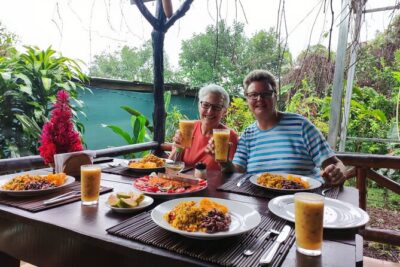
At the end, everyone sits down to eat what the group prepared. The meal takes place in the calm farm setting, so the final course feels connected to everything that came before it. You have seen the crops, handled the ingredients, and helped prepare the food.
Portions are generous. The class is not designed as a small tasting menu, and you should arrive ready for a full meal. The combination of chicken, tortillas, plantains, cassava, salsa, and other sides can be substantial.
The food is also the part most likely to satisfy people who want more than an educational activity. You are not paying only for a tour and a lesson. You are receiving a meal made with fresh ingredients, an apron to take home, farm instruction, transportation from central La Fortuna, and roughly four hours of guided time.
Alcoholic drinks are not included, though they are available for purchase. If you want a drink with the meal, bring extra money. The included experience centers on the food and the farm rather than a bar service.
How the guides shape the experience
The guide and chef pairing is one of the strongest features. The guide explains the farm and helps with language, while the chef demonstrates local cooking methods. This division makes the experience easier to follow than a class where one person must manage the farm walk, translation, and kitchen at once.
Individual guides bring different styles. Marco has been praised for making the evening both fun and informative. Melanie has led clear explanations of the farm and its sustainable methods. Diego has introduced groups to crops such as pineapple, bananas, plantains, peppers, peppercorn, herbs, and spices.
Nelson has guided the experience in rainy conditions, when the harvest had to be adjusted. Hugo has been noted for a pleasant, humorous approach. In the kitchen, Marcela and Anna have helped create a warm, relaxed mood while keeping the meal on track.
You should not book this expecting a formal culinary school lesson. The tone is social and practical. You learn enough to understand the dishes and repeat some techniques, but the focus is on participation, local food, and conversation.
Timing, pickup, and group size
The activity lasts about four hours and offers a morning or afternoon departure. Hotel pickup and drop-off are provided from central La Fortuna, with the listed meeting point at Jacamar Naturalist Tours beside the south side of the Catholic Church. The activity ends back at that meeting point.
Pickup is useful because you do not need to arrange separate transport to the farm. Still, check the exact pickup details when booking, especially if your hotel is outside central La Fortuna. The class is long enough that you should avoid scheduling another fixed activity immediately afterward.
A maximum of 15 people keeps the experience from becoming a large bus-group event. Smaller groups will naturally get more direct time with the chef and guide. Larger groups can feel more social, especially when people share tasks and sit down together at the end.
The activity requires at least two people per booking. You should also state any dietary restrictions when you reserve. The available information does not promise a modified menu, so give the operator advance notice rather than waiting until you arrive.
The tour is often booked well ahead, with an average booking window of about 43 days. That does not mean you must reserve that early for every date, but it is a useful warning for busy seasons, family trips, and popular holiday weeks.
Is the $99.44 price good value?
At $99.44 per person, this is not the cheapest way to eat in La Fortuna. You can find a much less expensive restaurant meal. But a restaurant will not include transportation, a farm visit, a guided harvest, a cooking class, an apron, and several hours of instruction.
I see the price as reasonable if you value participation. The meal alone does not justify the full cost. The value comes from combining several activities in one half-day and from using ingredients picked at the farm.
The apron is a small but useful extra. It protects your clothes during cooking and gives you a practical souvenir rather than a generic trinket. The class also has lasting value for people who want to recreate tortillas, patacones, plantain chips, or the use of annatto at home.
For a family, the price can make sense because the children are actively involved rather than simply waiting for dinner. For a couple, it works best if you enjoy food, conversation, and learning local customs. If you are looking only for a quick meal, this is too much time and money.
Who should book this La Fortuna cooking class?
I would recommend it most strongly to:
- Families who want a hands-on activity for children
- Couples looking for a shared food experience
- People interested in Costa Rican ingredients and cooking methods
- Visitors who prefer small, local settings to large attractions
- Noncooks who want guidance without pressure
- Anyone who wants to understand local food beyond restaurant menus
It is less suitable if you dislike group activities, have severe dietary restrictions that cannot be accommodated, or want a short excursion. The open-air farm setting also means you should be ready for heat or rain, depending on the day.
You do not need advanced cooking ability. The class is built around guided preparation, and the chef helps at each stage. You only need a willingness to handle ingredients, work with other people, and eat the finished meal.
Practical details that can affect your day
Confirmation arrives at booking, and the minimum drinking age is 18. Alcohol is not part of the included package, though it can be purchased separately.
The activity includes an apron and fresh ingredients to pick. Hotel pickup and drop-off apply from central La Fortuna, and the listed tour endpoint is the Jacamar Naturalist Tours meeting point.
Free cancellation is available if you cancel at least 24 hours before the start time. Cancellations or changes made inside that window are not refunded or accepted, and the cutoff follows local time.
Should you book it?
Book this class if you want your Costa Rican meal to begin in the garden, not at the restaurant table. The combination of harvesting, cooking, and eating gives you a clear sense of how local ingredients become everyday dishes.
I would especially choose it for a family, a couple with half a day free, or anyone who values food as a way to understand place. Keep your schedule flexible for rain, mention dietary needs when booking, and reserve early if your La Fortuna dates are fixed.
Skip it if you want a quick and inexpensive dinner or if you prefer to keep your hands clean and your plans tightly packed. For everyone else, the fresh food, friendly instruction, farm setting, and apron souvenir make this one of the more useful food experiences around La Fortuna.
FAQ
How long does the Pura Vida Cooking Class in La Fortuna last?
The experience lasts approximately four hours, including the farm tour, ingredient gathering, cooking class, and meal.
Is hotel pickup included?
Yes. Hotel pickup and drop-off are provided from central La Fortuna. The listed meeting point is Jacamar Naturalist Tours beside the south side of the Catholic Church, and the activity ends back there.
What food will I prepare?
The main dish is gallina achiotada, a traditional Costa Rican chicken recipe. The class also includes handmade tortillas and may include plantain chips, patacones, pico de gallo, cassava chips, and ginger iced tea.
Can children take part?
Yes. The activity is suitable for families, and children can participate in cooking, learn where ingredients come from, and practice Spanish in a welcoming setting.
Are drinks included?
Alcoholic beverages are not included, but they are available for purchase. The minimum drinking age is 18.
What happens if I need to cancel?
You can receive a full refund if you cancel at least 24 hours before the experience begins. Cancellations or changes made less than 24 hours before the start time are not accepted or refunded.
More Workshops in La Fortuna
- White Water Rafting class V
★ 5.0 · 71 reviews - Awesome Fun Rafting Class 3 Balsa River 5-Hour Tour in La Fortuna
★ 5.0 · 62 reviews - Ceviche & Empanadas Cooking Class
★ 5.0 · 50 reviews - 3-Course Tropical Fusion Cooking Class
★ 5.0 · 44 reviews
More Farms in La Fortuna
- Costa Rica Descents Organic Farm
★ 5.0 · 55 reviews - Private cooking class in organic farm at La Fortuna
★ 5.0 · 42 reviews - Chocolate and Farm Tour with local Tico family
★ 5.0 · 35 reviews - Chocolate and Coffee Tour Farm Don Jorge
★ 5.0 · 113 reviews
Just added around La Fortuna
- White Water Tubin in the river BALSA★ 5.0 · 40 reviews
- Adrenaline Pack (Zipline + Rafting)★ 5.0 · 40 reviews
- Arenal Volcano Guided Hiking Tour – Lava Trails & Rainforest★ 4.5 · 35 reviews
- Transportation from La Fortuna to Tamarindo Beach★ 5.0 · 36 reviews
- Arenal Volcano Combination Tour: Zipline, Tubing and Hot Springs★ 5.0 · 48 reviews
- Ceviche & Empanadas Cooking Class★ 5.0 · 50 reviews
- La Fortuna white water rafting + Authentic Costa Rican Lunch★ 5.0 · 54 reviews
- Sloth Tour★ 5.0 · 63 reviews
Cooking Classes, compared.
Sloth Tour in La Fortuna and Tortillas Cooking Class
Read our review →

Private cooking class in organic farm at La Fortuna
Read our review →Browse the lists this tour appears in