
Reviewed · TAMARINDO TOURS
Discover Scuba Diving
The big appeal here is simple: you can try scuba without certification and still reach the fish-filled waters of Costa Rica’s Catalina Archipelago. After a short lesson and equipment fitting in Tamarindo, you make the trip by small boat and larger vessel to the underwater sites, where two sessions of about 40 minutes each await.
I like the small group limit of 10 people and the fact that hotel pickup, equipment, snacks, and close instruction are included. I also like the way instructors adjust the session to your comfort. First-timers may begin with an instructor holding or guiding them, then gain more freedom during the second session.
The main drawback is the travel time and sea conditions. The ride to the sites can take about 45 minutes, sometimes longer, and involves two boats. Windy-season water can be rough, so bring motion-sickness medicine approved by your doctor and be ready for a full morning at sea.
Key points to know before booking
- Two underwater sessions of about 40 minutes each: The first includes basic skill practice and an assessment, while the second usually feels easier once you settle into the breathing rhythm.
- No certification is awarded: This is a trial experience, not a substitute for an Open Water course.
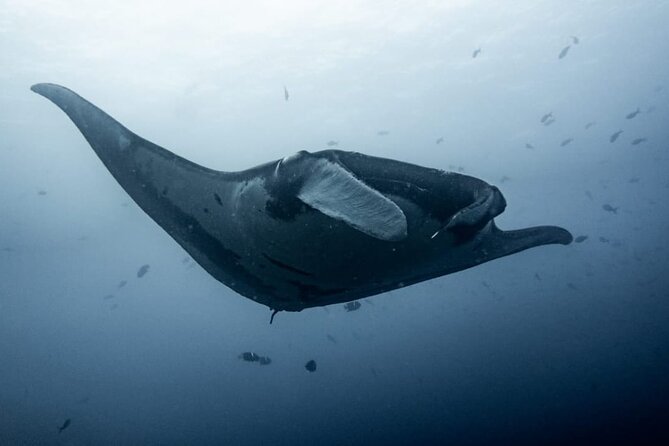
- The Catalina Archipelago is the main prize: You might see puffer fish, turtles, rays, eels, dolphins, and white-tip reef sharks.
- Expect two boat rides: A smaller boat takes you from shore to the larger vessel, followed by a ride of roughly 45 minutes to the sites.
- Hotel pickup and equipment are included: Snacks and water are provided, but lunch is not.
- Plan around flights: You should not scuba within 18 hours of flying, and you must complete a health questionnaire before entering the water.
What this Tamarindo scuba experience really offers
This is a good bridge between snorkeling and formal scuba training. You do not need a certification, but you do need enough fitness to manage the equipment, boat transfer, and time in the water. The instructors explain the basic use of the regulator, mask, fins, buoyancy vest, and other gear before you head below the surface.
You will not leave with a license. That point matters. The experience lets you find out how your body and mind respond to breathing underwater, but it does not give you permission to scuba independently later. If you enjoy it, you would still need to complete a recognized certification course.
The 4.7 rating from 34 ratings and 91 percent recommendation suggest that the experience works well for most people. The strongest praise centers on the instructors’ patience, kindness, and attention to safety. A few people had concerns about organization, communication in English, rough water, and motion sickness, so this is not a polished resort-style outing for every person.
I see it as an adventure with some rough edges, rather than a short, effortless activity squeezed between beach time and lunch.
A few more things to book around Tamarindo
- Diving tour in Isla del Caño for certified divers
★ 5.0 · 64 reviews
The early start in Tamarindo
The day begins at 6:40 a.m. at Tamarindo Diving Center, about 200 meters east of El Chiringuito on Calle Cruz. Hotel pickup and return are included, which is useful if you are staying in Tamarindo and do not want to arrange a taxi before sunrise.
At the center, you check in, complete the health questionnaire, and get fitted for the equipment. The early start gives the group time to reach the Catalina Archipelago and complete two underwater sessions within the roughly five-hour outing.
The fitting process is important for first-timers. A badly fitted mask or uncomfortable suit can distract you when your real job is to breathe slowly and stay calm. Tell the instructor right away if anything pinches, leaks, or feels too loose.
The group can include certified scuba users, first-timers, and people who only want to snorkel. That mixed setup means the experience may be organized into different groups. Certified participants can go deeper, while new scuba users receive closer supervision and practice at their own level.
Learning the basics before open water
The core lesson covers the practical skills needed to function underwater. You learn how to breathe through the regulator, clear or manage the mask, use the buoyancy vest, and respond to common problems. The lesson is not meant to replace a full certification course, so expect a focused briefing rather than several days of classroom work.
For some first-timers, the information may feel like a lot at once. That is normal. The most useful piece of advice is to concentrate on steady breathing and listen for the instructor’s signals instead of trying to remember every detail at once.
The first underwater session is also part of your assessment. Instructors may guide you closely, watch your air use, check your comfort, and correct your technique. One first-time participant described the instructor holding and escorting the group at first, then allowing more independence during the second session after everyone showed they could manage safely.
That gradual approach is a real strength. It gives you a chance to settle into the unusual feeling of breathing below the surface instead of being expected to handle everything immediately.
If you already have experience, or you feel confident around scuba equipment, the operator can offer a one-day version with the theory and confined-water work completed on or near the boat. The practical details depend on your situation, so explain your background during booking.
Two boats and a ride to the Catalina Archipelago
The transport is part of the adventure, but it is also the part most likely to test your patience. You first board a smaller boat from the beach, then transfer to a larger boat for the run toward the Catalina Archipelago.
The ride to the scuba sites takes about 45 minutes under normal conditions, though wind and tide can affect the timing. One account described the entire ride as about an hour. If the water is choppy, the crossing can feel long, especially before you have had much breakfast.
The boat transfer also creates a practical concern for anyone prone to motion sickness. Take only medication that your doctor says is suitable for you, and bring it before departure. The operator cannot provide medicine. Even people who are usually fine on boats can feel sick after a rough crossing.
Snacks and water are included, but lunch is not. Eat a sensible breakfast before pickup and bring anything else you need within the operator’s stated rules. You will spend much of the morning moving between shore, boats, and the water, so do not treat this as a quick coastal outing.
The Catalina Archipelago is the reason to accept the long ride. The sites offer a chance to see a broad mix of marine life, and the underwater time is the part that makes the early start worthwhile.
Same base, a different kind of day:
- Private Transfer Liberia Airport
★ 5.0 · 227 reviews - Night Turtle Nesting Tour from Tamarindo
★ 4.0 · 206 reviews - Turtle Nesting Tour
★ 4.5 · 132 reviews - La Leona Waterfall Guided Tour+Transportation
★ 5.0 · 124 reviews
What you may see below the surface
Marine life can never be guaranteed, but the reported sightings are impressive. You might encounter puffer fish, schools of smaller fish, eels, leopard rays, stingrays, turtles, dolphins, and white-tip reef sharks.
Dolphins and turtles have also been seen from the boat, before the underwater sessions begin. Below the surface, the most memorable sightings include rays, puffer fish, and white-tip reef sharks. One account described the second session as especially full of fish, eels, and reef sharks.
The appeal is not only the species list. Scuba lets you remain at the same level as the marine life instead of watching from above for a few seconds at a time. You can move slowly, use less energy, and pay attention to small animals that are easy to miss while snorkeling.
Conditions matter. Windy season, especially in January, can produce rougher water and less comfortable boat travel. Visibility and animal activity will change from day to day. If your main goal is a guaranteed shark or turtle sighting, no responsible operator can promise that. If your goal is to try scuba in a place with a good chance of seeing varied sea life, this is a sensible option.
Why the second session matters
The first session is often about managing your own reaction. The mask covers your nose, the regulator changes how you breathe, and the sensation of being surrounded by water can trigger anxiety. Your instructor may spend much of this time checking your comfort and correcting small problems.
The second session often feels more natural because your body has already adjusted to the equipment and breathing pattern. The strongest practical advice I can give is not to judge the whole experience by the first few minutes underwater.
That does not mean you should force yourself through fear. If you cannot remain calm or use the equipment safely, stopping is the right choice. One person on a boat could not complete the second session after anxiety led to faster air use. A two-day option with pool practice may be better for someone who already knows they feel nervous in new physical settings.
The instructors keep track of air supply, buoyancy, equipment, and each person’s position. You still need to follow directions and report discomfort quickly, but you are not expected to manage the entire process alone.
The instructors and the safety approach
The most praised part of the experience is the instruction. Mario is specifically mentioned as helpful with a person who had no prior experience. Other accounts describe instructors as caring, upbeat, patient, and attentive to children and nervous beginners.
That matters more here than fancy boats or a large number of underwater sites. A first scuba session can be confusing, and the quality of the briefing affects how much you enjoy the day. Good instruction helps you understand what to do without making you feel foolish for needing help.
Communication is not perfect for everyone. One person reported that the instructor did not explain things clearly in English. If you are not fully comfortable with technical instructions, ask questions before entering the water and make sure you understand the hand signals and emergency procedures.
The company also received criticism about organization and limited resources on the boat. That is worth keeping in mind if you expect a highly structured, luxurious operation. The safety focus appears to be strongest in the water, while the shore and boat logistics may feel more informal.
Is $195 a fair price?
At $195 per person, this is not a cheap add-on. The price includes hotel pickup and drop-off, scuba equipment, snacks, instruction, boat transport, and two underwater sessions. Since the outing takes about five hours, you are paying for a full morning rather than a brief introductory lesson near the beach.
The value improves if you would otherwise need to rent equipment, arrange transport, and pay separately for a boat trip. The price also makes more sense if you want to test scuba before committing to the cost and time of certification.
It is less appealing if you only want a casual swim or a short snorkeling trip. You may spend a significant part of the morning in transit, and you will need to bring or buy lunch afterward.
For families, the value depends on the children’s comfort and age, neither of which is specified here. Children have successfully taken part with close instructor support, but every participant must manage the health questionnaire and physical demands. Speak with the operator before booking if a child has anxiety, a medical condition, or no experience in open water.
Who should book this experience?
I would choose this for an adult or older child who is curious about scuba but not ready to enroll in a full certification program. It is also a good fit for a mixed group where one person is certified, another wants to try scuba, and someone else prefers snorkeling.
You should be comfortable with an early start, a long boat ride, changing sea conditions, and a physically active morning. Moderate fitness is required. If you have asthma, heart trouble, or another medical condition, consult your doctor before booking. Some conditions may prevent you from scuba.
I would be cautious if you suffer badly from motion sickness, dislike small boats, or become anxious when you cannot breathe normally through your nose. You may still enjoy the outing, but the two-day option with pool practice could be the wiser choice.
Do not schedule a flight within 18 hours after the experience. This is a key scuba safety rule, not a minor scheduling preference.
Booking details and cancellation
The tour ends back at the Tamarindo Diving Center or with your included hotel return. Confirmation is provided when you book, and the group is limited to a maximum of 10 people.
You can cancel for a full refund up to 24 hours before the local start time. Cancellations or changes made inside that window are not refunded or accepted. Keep that deadline in mind when planning around weather, illness, and your flight schedule.
Should you book Tamarindo’s Discover Scuba experience?
Book it if you want a real introduction to scuba, value close supervision, and are willing to trade comfort for access to the Catalina Archipelago. The marine life can be excellent, and the two-session format gives you time to improve after the first nervous minutes.
Skip it if you want a short, calm activity with no boat transfer or if you need polished logistics and perfectly clear English instruction. Motion sickness is the biggest practical threat to your enjoyment, followed by anxiety and rough water.
For the right person, $195 buys more than equipment and transport. It buys a fair test of whether scuba belongs in your future travel plans. Just arrive prepared, stay calm, ask questions, and treat the first session as practice rather than a performance.
FAQ
Do I need a scuba certification?
No. This experience is designed for people who want to try scuba without certification. It does not certify you or replace a formal Open Water course.
How long does the experience last?
The activity lasts about five hours. The ride to the scuba sites takes roughly 45 minutes, depending on wind and tide, and the day includes two underwater sessions of about 40 minutes each.
What time does the tour begin?
The listed start time is 6:40 a.m. Pickup from your hotel is included, and the activity ends back at the meeting point or with your return transfer.
What equipment and food are included?
Scuba equipment, hotel pickup and drop-off, snacks, and water are included. Lunch is not included.
Can I scuba shortly before or after a flight?
Scuba is not recommended within 18 hours of flying. Plan your flights around that restriction.
What happens if I have a medical condition?
All participants must complete a health questionnaire before scuba. Conditions such as asthma or heart problems may prevent you from taking part, so consult your doctor before booking.
Just added around Tamarindo
- Vandara Hot Springs & Horses+ Zipline+ sugarmill+ waterslide★ 5.0 · 12 reviews
- Traditional Cooking Class In Tamarindo★ 4.5 · 49 reviews
- 2-Hour Private or Group Surf Lesson in Tamarindo!★ 4.5 · 46 reviews
- Surfing Lesson in Tamarindo★ 5.0 · 39 reviews
- Rio Celeste, Tenorio Hike, Sloths Sanctuary & Meal★ 4.5 · 48 reviews
- Sloths in their natural habitat & Blue river waterfall★ 5.0 · 32 reviews
- Miravalles Volcano: Sloth’s Park, Hanging Bridges & Hot Springs.★ 5.0 · 7 reviews
- Private Transfer Tamarindo Beach to/from Liberia Airport★ 5.0 · 51 reviews
Tamarindo Tours, compared.
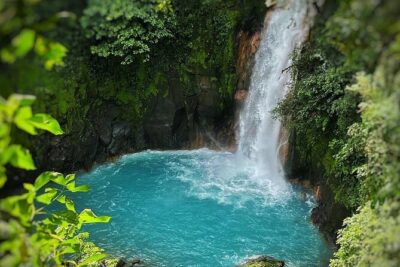
Rio Celeste Waterfall Plus Sloths and wildlife Sanctuary
Read our review →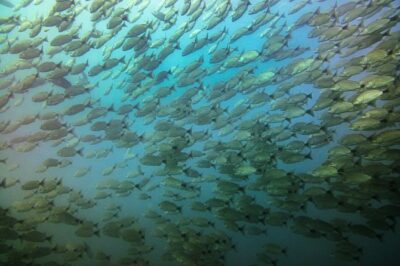
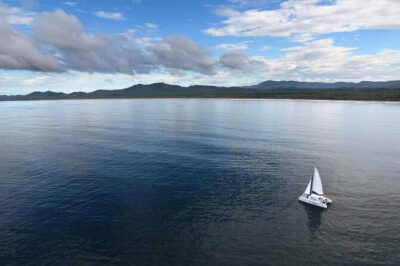
Blue Dolphin Catamaran Snorkeling Sunset Cruise from Tamarindo
Read our review →
Browse the lists this tour appears in