
Reviewed · TAMARINDO TOURS
SSI Open Water Diver Course
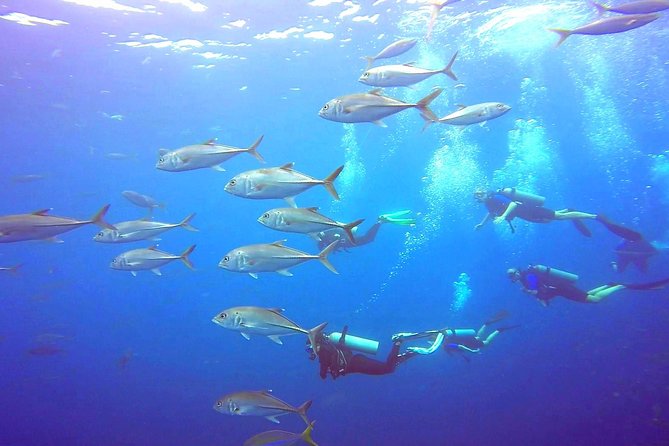
The most memorable part of this three-day SSI certification course is the chance to learn in Costa Rica’s Pacific waters, where manta rays, whale sharks, reef sharks, turtles, and octopus may appear alongside the usual schools of fish. You begin with theory and skills, then work toward four ocean sessions with an instructor and a small group.
I like two things right away: the maximum group size of four keeps instruction personal, and the course includes the full scuba setup, transportation, snacks, drinks, and taxes. Instructors such as Miguel, Remo, Gonzalo, Franco, and Jose are known for calm explanations and patient support, which matters when underwater skills feel awkward at first.
The main consideration is the early start at 6:30 a.m. and the physical demands of three active days. You must complete the theory before arriving, bring your own sun protection, and leave enough room in your vacation schedule in case weather affects the ocean sessions.
Key points at a glance
- Four ocean sessions: The course combines two pool sessions with four ocean sessions, according to the experience details provided by past participants.
- Small groups of up to four: You receive more direct attention than you would in a large class.
- SSI international certification: The course follows SSI standards and is intended for use around the world.
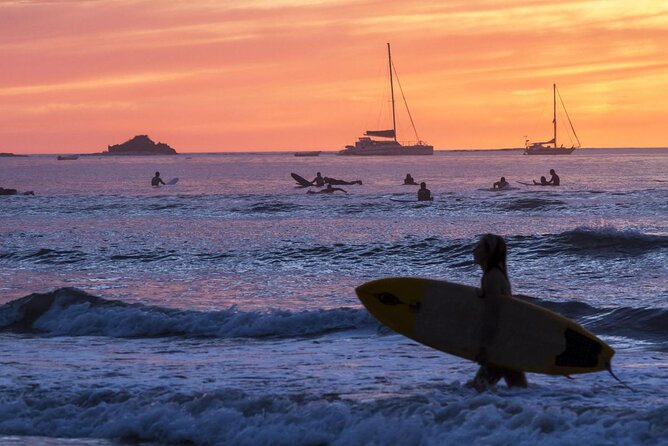
- Several Pacific beach bases: Sessions may operate from Tamarindo, Playa Flamingo, or Potrero.
- Marine life can be exceptional: Manta rays, whale sharks, reef sharks, turtles, octopus, whales, and colorful fish have all been seen on past outings.
- Practical extras are included: Equipment, instructor, air-conditioned transport, snacks, soda, bottled water, fees, and taxes are covered.
What the three-day SSI course really involves
This is not a quick introductory swim with a mask. It is a full certification course built around SSI standards, with theory, confined-water skills, and open-water training.
You complete the academic portion at home before arriving in Costa Rica. That arrangement is useful because it keeps your holiday days focused on practical training rather than long classroom sessions. You should still take the theory seriously. Safe scuba depends on understanding equipment, pressure, communication, emergency procedures, and how to respond when something feels wrong.
Once you arrive, the course moves into practical work. The supplied information describes two pool sessions followed by four ocean sessions. The pool gives you a controlled place to practice basic skills before dealing with waves, visibility, current, and the larger setting of the Pacific.
You may feel a little nervous during the first skills session. That is normal, especially if you have only tried a one-time introductory experience before. The instructors’ patient approach is one of the strongest reasons to choose this course. Remo is described as particularly calm when students struggle with a task, while Miguel is praised for building confidence and explaining procedures clearly.
You should expect long, active days rather than a casual beach excursion. The course requires moderate physical fitness. You will be handling equipment, entering the water, completing practical tasks, and staying focused through several sessions.
A few more things to book around Tamarindo
- Private Transfer Liberia Airport
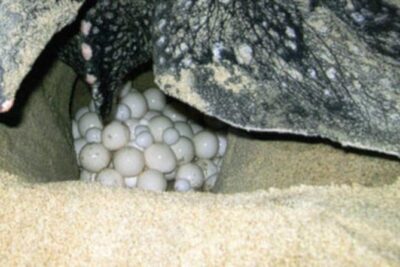
★ 5.0 · 227 reviews - Night Turtle Nesting Tour from Tamarindo
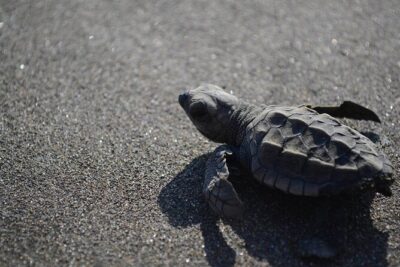
★ 4.0 · 206 reviews - Turtle Nesting Tour
★ 4.5 · 132 reviews
Starting at TamaDive in Tamarindo at 6:30 a.m.
The meeting point is TamaDive Tamarindo Dive Center on Avenida Central, about 80 meters east of Banco Nacional in Tamarindo, Guanacaste. The course begins at 6:30 a.m., so plan your morning carefully.
An early start has a real benefit. You can get moving before the heat builds, and the schedule leaves more room for training and boat or beach operations later in the day. The downside is simple: you need to be ready early, alert, and properly rested.
The course ends back at the same meeting point. An air-conditioned vehicle is included, which is useful when equipment and wet clothing make ordinary transfers less comfortable. One participant also received morning pickup from a rental property, but the formal meeting point remains the Tamarindo center, so you should confirm any pickup arrangement before the course begins.
The available operating areas include Tamarindo, Playa Flamingo, and Potrero Beaches. That flexibility may help the operator choose suitable conditions, though the exact location for each session is not specified in advance.
Pool sessions: the right place to build confidence
The pool work is where you learn the basic habits that make later ocean sessions safer. You practice with your mask, fins, buoyancy equipment, regulator, and other scuba gear while the instructor watches closely.
The value of pool training is not glamour. It is control. If you need to repeat a skill, adjust your breathing, or get comfortable clearing a mask, a confined setting gives you time to do it without the added pressure of waves or current.
This is also where the instructor’s manner matters most. Remo, Miguel, and the other named instructors are repeatedly praised for patience, reassurance, clear explanations, and a good sense of humor. Franco, for example, helped keep the long training days enjoyable while covering a large amount of information.
You do not need to arrive as an athlete, but you should be comfortable with moderate physical activity. If you have a strong fear of water or have struggled with a previous introductory session, tell the instructor early. The course is designed to teach you, not rush you through a checklist.
Four ocean sessions around Costa Rica’s Pacific coast
After pool practice, the course takes you into the ocean for four training sessions. The exact sites can vary among Tamarindo, Playa Flamingo, and Potrero, and conditions depend on weather.
The ocean sessions are where you apply the skills learned in the pool. You work with a buddy, follow the instructor’s signals, monitor your equipment, and practice staying calm in a less predictable setting. One participant experienced a mild current, which added a useful real-world lesson but also shows why the course requires attention and reasonable fitness.
The ocean is not a swimming pool. You may encounter changing visibility, movement in the water, and unfamiliar sensations. That is part of the training, but it can also make the first session feel more demanding than expected.
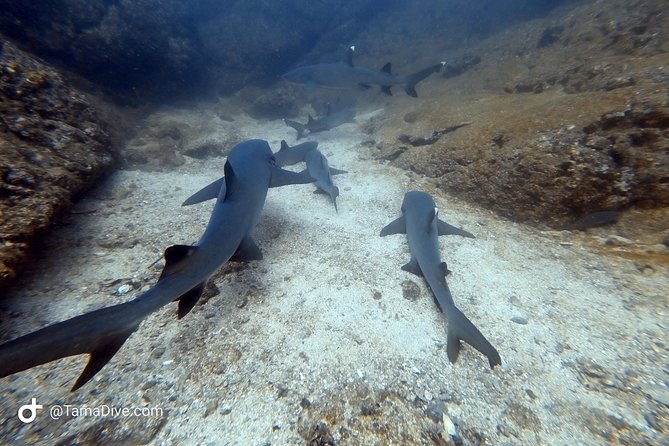
The payoff is the chance to see marine life while completing your certification. Past outings connected with this course have included manta rays, a whale shark, reef sharks, turtles, octopus, whales, sea anemones, and many fish. These sightings are never guaranteed, and they should be treated as a bonus rather than the purpose of the training.
The most useful mindset is to focus first on skills and safety. If you happen to see a manta ray or turtle, enjoy it, but keep your attention on your instructor, your buddy, and your breathing.
Same base, a different kind of day:
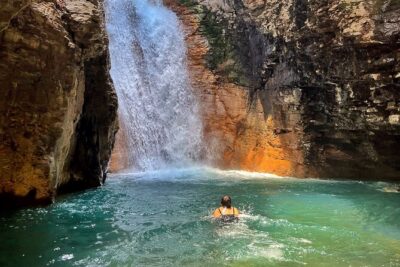
- La Leona Waterfall Guided Tour+Transportation
★ 5.0 · 124 reviews - Rio Celeste Waterfall Plus Sloths and wildlife Sanctuary
★ 5.0 · 110 reviews - Half-Day Snorkeling Experience in Tamarindo
★ 4.5 · 108 reviews - Hiking Tour of La Leona Waterfall with Lunch
★ 5.0 · 106 reviews
Why the small group size matters
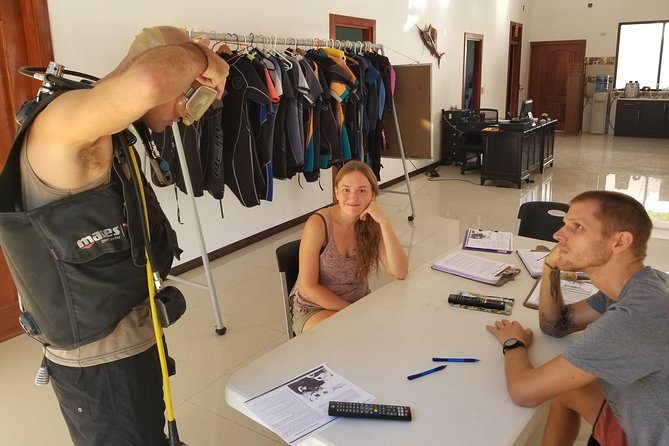
The course accepts a maximum of four participants. That is a significant advantage for a first certification.
Small groups give the instructor more time to watch each student, correct technique, and answer questions. They also make it easier to speak up if you are unsure about a task. Underwater communication is limited, so clear explanations before entering the water are especially important.
The group size can also make the course feel less intimidating. You meet your buddy at the start, learn together, and share the practical parts of the process. One past participant completed the course with another new diver, while other groups included teenagers and people with different levels of experience.
The tradeoff is that a small course may have less scheduling flexibility than a large operation. Confirmation is subject to availability and is sent within 48 hours of booking. If you have only a narrow window in Costa Rica, book early. This course is booked about 21 days ahead on average.
The instructors and the learning style
The named instructors associated with this course include Miguel, Remo, Gonzalo, Franco, and Jose Mendoza. You may not be assigned a specific person, so do not book solely around one instructor unless the center confirms that arrangement.
The strongest pattern is the teaching style. Gonzalo is described as calm, attentive, and careful underwater. Miguel is associated with patient explanations and confidence-building. Remo is noted for supporting students through difficult tasks without making them feel rushed. Franco brought humor to the theory and practical work, while Jose Mendoza was praised for his experience and guidance.
That range matters because people learn differently. Some need technical detail. Others need a calm voice when a mask-clearing exercise or equipment task feels uncomfortable. The staff’s friendly tone helps, but the important point is that safety remains part of the lesson.
The course also covers emergency situations and safe procedures, not just how to swim around looking at fish. That may make some sessions feel serious, but it is exactly what you want from a certification provider.
What is included for $705
The price is $705 per person. That is a substantial expense, but it covers much more than a one-day recreational outing.
Included are:
- All necessary scuba equipment
- A scuba instructor
- Snacks
- Soda
- Bottled water
- Air-conditioned transportation
- All fees and taxes
The equipment allowance is especially useful for visitors who do not already own scuba gear. You avoid renting separate items and transporting bulky equipment around Guanacaste. The drinks and snacks are small additions, but they matter during active mornings.
The price also includes the full certification training rather than just an ocean session. You are paying for instruction, pool work, four ocean sessions, equipment use, transport, and the administrative costs connected with the course.
You should still budget for tips and sun protection. Hats, sunscreen, and similar items are not included. Use reef-conscious sunscreen if possible, and bring whatever sun protection the operator allows around equipment and water entry areas.
For someone who wants a recognized scuba qualification and plans to continue the sport, the price can be reasonable. For someone who simply wants to see fish once, a shorter introductory outing may be a better match.
SSI compared with PADI
The course follows SSI standards rather than PADI. That difference may concern first-time students, especially if you have heard more about PADI.
SSI is presented here as an international qualification. Past participants who began with concerns about the agency found that the certification could be used for scuba around the world, just as they expected from a major certification program.
The practical lesson is to focus on the training quality, the instructor, the number of sessions, and the support provided. If a future dive center has a specific agency requirement, you can check with that operator before booking. For this course, SSI is the stated certification system.
Weather, fitness, and the parts you should plan around
Good weather is required. If poor weather cancels the course, you are offered another date or a full refund. The same applies if the minimum number of participants is not reached, with the option of a different date or experience, or a full refund.
That policy is reassuring, but it also means you should avoid scheduling the course on the final day of a tightly packed Costa Rica itinerary. Give yourself some flexibility in case weather or availability changes the plan.
You need moderate physical fitness. The course includes repeated water sessions and equipment use, so it is not suited to someone looking for a completely passive activity.
You can cancel for a full refund if you do so at least 24 hours before the local start time. Cancellations or changes made within 24 hours are not accepted for a refund. Tips are optional and not included.
Who should choose this course
This is a good match if you want to leave Costa Rica with a real scuba qualification, prefer a small group, and can give three days to training.
It also suits nervous beginners who value patient instruction. The course has enough structure to teach safe habits, but the staff’s friendly approach can keep the process from feeling stiff or intimidating.
Families with older teenagers may also find it suitable, provided each participant meets the operator’s requirements and has the needed fitness level. The course has accommodated mixed skill levels, but everyone still needs to complete the required training.
It is less suitable if you have only a few free hours, dislike early mornings, or want guaranteed sightings of large animals. Marine life can be remarkable, but no responsible operator can promise a whale shark, manta ray, or turtle.
Should you book the Tamarindo SSI course?
I would choose this course if you want a serious introduction to scuba and value close instruction over a large-group operation. The four-person limit, included equipment, and patient instructors make the $705 price easier to justify.
Book it early, complete the theory before arriving, and leave a spare day in your itinerary if possible. Bring sun protection, expect active mornings, and treat the wildlife as an exciting extra rather than a guarantee.
If your goal is simply to try scuba once, compare the price with a shorter introductory session. If your goal is to become certified and keep going, this three-day course offers a practical path from pool skills to open-water experience around Tamarindo.
FAQ
Where does the SSI course begin?
It begins at TamaDive Tamarindo Dive Center on Avenida Central, about 80 meters east of Banco Nacional in Tamarindo, Guanacaste.
What time does the course start?
The stated start time is 6:30 a.m.
How long does the course last?
The certification course lasts approximately three days.
Which beaches may be used?
The course is available at Tamarindo, Playa Flamingo, and Potrero Beaches.
How many people can join the course?
The maximum group size is four participants.
Is scuba equipment included?
Yes. The use of all necessary scuba equipment is included in the price.
Are snacks and drinks provided?
Yes. Snacks, soda, and bottled water are included.
Is transportation included?
Yes. An air-conditioned vehicle is included, and the activity ends back at the meeting point.
Do I complete the theory in Costa Rica?
You complete the theory at home before arriving, so the time in Costa Rica can focus on practical training and ocean sessions.
What happens if the weather is poor?
If bad weather causes cancellation, you are offered a different date or a full refund.
Can I cancel for a full refund?
Yes. You must cancel at least 24 hours before the local start time for a full refund. Cancellations or changes made less than 24 hours before the start are not accepted for a refund.
Just added around Tamarindo
- Vandara Hot Springs & Horses+ Zipline+ sugarmill+ waterslide★ 5.0 · 12 reviews
- 2-Hour Private or Group Surf Lesson in Tamarindo!★ 4.5 · 46 reviews
- Surfing Lesson in Tamarindo★ 5.0 · 39 reviews
- Traditional Cooking Class In Tamarindo★ 4.5 · 49 reviews
- Rio Celeste, Tenorio Hike, Sloths Sanctuary & Meal★ 4.5 · 48 reviews
- Sloths in their natural habitat & Blue river waterfall★ 5.0 · 32 reviews
- Miravalles Volcano: Sloth’s Park, Hanging Bridges & Hot Springs.★ 5.0 · 7 reviews
- Private Transfer Tamarindo Beach to/from Liberia Airport★ 5.0 · 51 reviews
Tamarindo Tours, compared.
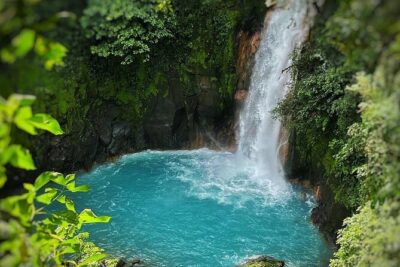
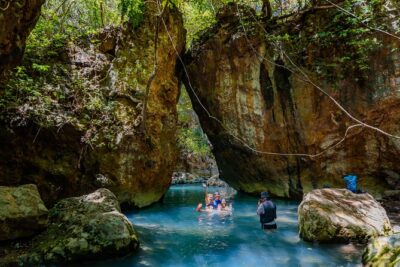
Rio Celeste Waterfall Plus Sloths and wildlife Sanctuary
Read our review →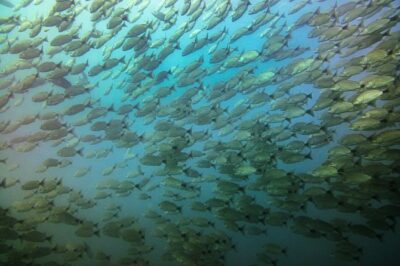
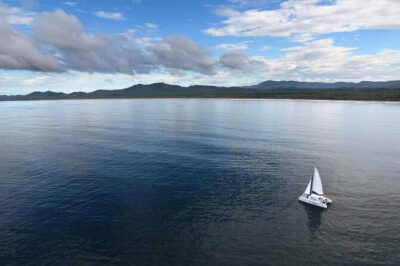
Blue Dolphin Catamaran Snorkeling Sunset Cruise from Tamarindo
Read our review →
Browse the lists this tour appears in